
If your doctor has ordered imaging, you may be wondering why you’re getting an ultrasound instead of an MRI, or the other way around. Both are safe, widely used diagnostic tools, but they answer different clinical questions. This guide explains how physicians in NJ decide which scan fits a given situation.
The Basic Difference
An ultrasound uses high-frequency sound waves to create real-time images of soft tissue, organs, and blood flow. An MRI uses a strong magnetic field and radio waves to create detailed cross-sectional images of internal structures, including bone, cartilage, ligaments, and the brain. Neither uses radiation, but they capture different kinds of detail, which is why your physician chooses based on what they’re trying to see.
When Doctors Order an Ultrasound
Ultrasound is typically the first choice when a physician needs a fast look at soft tissue or blood flow, or when radiation exposure needs to be avoided entirely, such as during pregnancy.
Abdominal and Pelvic Concerns
Ultrasound is the standard first step for evaluating the gallbladder, liver, kidneys, and pelvic organs. It’s fast, requires no scheduling of a longer appointment slot, and often gives a physician enough information to make a decision without further imaging.
Pregnancy Monitoring
Ultrasound is the imaging tool used throughout pregnancy because it uses no radiation and provides real-time images of fetal growth and development.
Blood Flow and Vascular Concerns
When a physician suspects a blood clot, narrowed artery, or circulation problem, a vascular ultrasound is usually the first test ordered, since it directly visualizes blood flow in real time.
Quick Musculoskeletal Screening
For a suspected tendon tear or soft tissue injury near a joint, ultrasound can often confirm the issue quickly, particularly when a physician wants to guide a needle for an injection or aspiration at the same visit.
When Doctors Order an MRI
MRI is typically ordered when a physician needs more detail than ultrasound can provide, especially for structures that ultrasound can’t see clearly, like the inside of a joint, the spine, or the brain.
Joint and Ligament Detail
Knee, shoulder, and spine injuries usually require an MRI because ultrasound cannot see deep inside a joint capsule or clearly image a torn ligament, meniscus, or disc.
Brain and Neurological Imaging
MRI is the standard for evaluating the brain and spinal cord in detail, since it can capture soft tissue contrast that no other imaging tool matches.
Cancer Staging and Soft Tissue Masses
When a physician needs a detailed look at a mass or needs to evaluate how far a finding extends into surrounding tissue, MRI’s superior soft-tissue contrast makes it the better tool.
Following Up on an Inconclusive Ultrasound
Sometimes an ultrasound identifies something that needs a closer look. In these cases, a physician will often order an MRI as a second step for more detailed evaluation.
Why the Two Are Often Used Together
Ultrasound and MRI aren’t competitors, they’re complementary. A physician might order an ultrasound first because it’s fast and radiation-free, then follow up with an MRI if the ultrasound raises a question that needs more detail. This staged approach is common and doesn’t mean anything went wrong with the first test. It simply reflects each tool’s strengths.
Cost and Scheduling Differences
Ultrasound appointments are generally shorter, running 15 to 30 minutes, while MRI appointments run 15 to 45 minutes depending on the area being scanned. Ultrasound is also typically less expensive than MRI, which is part of why physicians often start there when either test could reasonably answer the clinical question.
What This Means for Your Appointment
If your doctor ordered an ultrasound, they’re likely looking at soft tissue, an organ, or blood flow, and want a fast, radiation-free answer. If they ordered an MRI, they need more anatomical detail than ultrasound can provide, often for a joint, the spine, or the brain. Either way, the choice reflects the specific clinical question your physician is trying to answer, not a difference in how seriously your symptoms are being taken.
A Closer Look at How Each Scan Is Performed
The experience of getting an ultrasound and getting an MRI is different, and understanding that difference can help explain why your physician chose one over the other. During an ultrasound, a technologist moves a handheld transducer across your skin with a small amount of gel, and you can see (and sometimes discuss) the images in real time. There’s no enclosed space involved, no loud noise, and the appointment tends to feel more like a hands-on exam than a piece of technology doing the work.
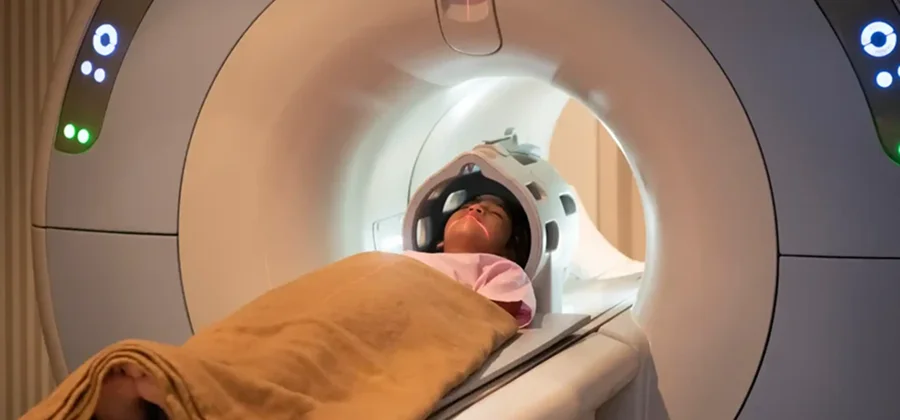
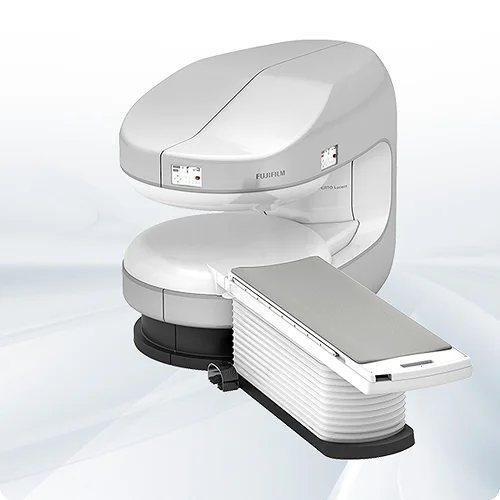
An MRI, even an open MRI, involves lying still on a table while the machine captures a series of image sequences, each taking a few minutes. You won’t feel anything during the scan, but you will need to stay still, and some sequences require holding your breath briefly. This is part of why physicians reserve MRI for situations where the added detail is worth the longer appointment.
What If You’re Not Sure Why You Were Referred
It’s completely reasonable to ask your physician why they chose a particular scan. A good referral should come with at least a brief explanation of what the doctor is looking for, whether that’s ruling out a blood clot, getting a clearer look at a torn ligament, or following up on something seen during a physical exam. If you’re ever unsure, Open MRI 17’s team can also help clarify what a specific order involves before your appointment, including what to expect and how to prepare.
Frequently Asked Questions
Can an ultrasound replace an MRI?
Sometimes. If an ultrasound gives your physician a clear enough answer, no further imaging is needed. But ultrasound can’t see inside a joint capsule or capture the same level of detail in the brain or spine, so an MRI is often still necessary for those areas.
Is one test more accurate than the other?
Neither is universally “more accurate.” Each is better suited to certain structures. Ultrasound excels at real-time motion and blood flow. MRI excels at static, detailed anatomy, especially soft tissue, ligaments, and the central nervous system.
Will my insurance cover both if I need them?
Both ultrasound and MRI are standard covered services under most major insurance plans when ordered by a physician, subject to your plan’s deductible and co-pay. Our team verifies coverage before your appointment either way.
Do I need to prepare differently for each?
Yes. Ultrasound prep varies by scan type and might involve fasting or arriving with a full bladder. MRI prep is more about wearing metal-free clothing and disclosing any implants or prior surgeries. We’ll give you specific instructions based on your exact appointment.
Both Available at Open MRI 17
Open MRI 17 in Paramus offers both ultrasound and AI-powered open MRI from a single location, with same-week appointments and board-certified radiologists reading every scan. Learn more about our ultrasound services or our HD Open MRI technology.