If your doctor has referred you for a knee MRI in NJ, you probably have questions about what the scan will find and how to get ready for it. Knee injuries are one of the most common reasons physicians order MRI imaging, and understanding the process can make the appointment far less stressful.
This guide walks through what a knee MRI diagnoses, the signs that typically lead to a referral, and exactly how to prepare so your scan goes smoothly.
Why Doctors Order a Knee MRI
Knee pain has many possible causes, and X-rays only show bone. When a physician needs to see soft tissue such as ligaments, cartilage, and tendons, an MRI is the tool that provides those answers. Orthopedic surgeons, sports medicine doctors, and primary care physicians across Bergen, Passaic, and surrounding NJ counties order knee MRI scans daily to confirm a diagnosis before recommending treatment or surgery.
What a Knee MRI Diagnoses
Torn ACL, MCL, and Ligament Injuries
The anterior cruciate ligament (ACL) and medial collateral ligament (MCL) are frequently injured during sports, falls, or sudden twisting movements. An MRI clearly shows whether a ligament is stretched, partially torn, or completely torn, which determines whether physical therapy or surgery is the right next step.
Meniscus Tears
The meniscus is the cartilage cushion between the thigh bone and shin bone. Meniscus tears are extremely common, especially in athletes and older adults with degenerative changes. MRI is the most reliable way to confirm a meniscus tear without surgery.
Cartilage Damage and Osteoarthritis
For patients with chronic knee pain, an MRI can reveal cartilage thinning, bone-on-bone contact, and early arthritic changes that X-ray alone often misses in its earlier stages.
Patellar and Tendon Issues
Patellar tracking problems, tendonitis, and small tears in the quadriceps or patellar tendon are all visible on a well-performed knee MRI, helping your doctor rule out or confirm these conditions quickly.
Fractures Not Visible on X-Ray
Some hairline fractures and bone bruises do not show up clearly on X-ray. MRI can detect bone marrow edema and stress reactions that indicate an injury X-ray missed.
Signs You May Need a Knee MRI in NJ
Your physician may order a knee MRI if you’re experiencing:
- Persistent swelling that does not improve with rest
- A popping or locking sensation in the knee
- Instability or the knee “giving way” during activity
- Pain that continues for more than a few weeks despite conservative treatment
- A sports injury with sudden onset of pain and swelling
- Ongoing pain following a prior knee surgery
If any of these apply to you and your doctor has not yet discussed imaging, it’s worth raising the topic at your next appointment.
How to Prepare for Your Knee MRI
Preparing for a knee MRI is simple for most patients:
- Wear comfortable, loose-fitting clothing without metal zippers, snaps, or buttons near the knee
- Remove jewelry and any metal accessories before your appointment
- Bring a valid photo ID, your insurance card, and your physician’s referral
- Arrive 15 minutes early to complete any necessary paperwork
- Let the technologist know about any metal implants, prior knee surgery hardware, or pacemakers before the scan begins
There is no fasting required and no special diet restrictions for a standard knee MRI.
What to Expect During a Knee MRI at Open MRI 17
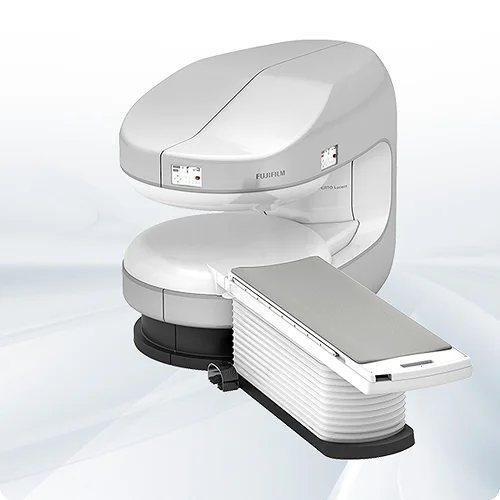
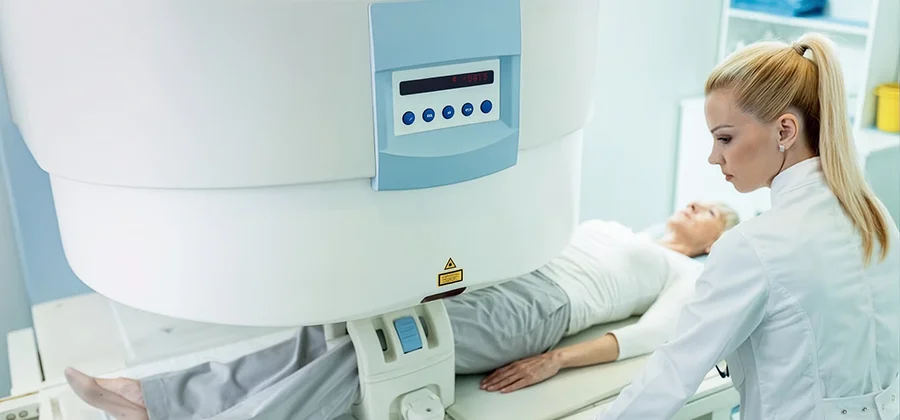
At Open MRI 17 in Paramus, your knee MRI is performed on the Aperto Lucent HD, the first AI-powered open MRI in the United States. Unlike a traditional enclosed MRI tunnel, our open design means you are never fully surrounded by the machine, which makes the appointment far more comfortable for patients with anxiety or claustrophobia.
A certified technologist will position your knee comfortably within the imaging field and explain each step before starting. You’ll need to stay still during the scan, but you can breathe, talk, and relax normally, since knee imaging does not require the same stillness as some other scans.
Most knee MRI appointments take between 20 and 30 minutes. The AI processing built into the Aperto Lucent HD helps sharpen image detail and can reduce total scan time compared to older open MRI systems.
How Long Does a Knee MRI Take to Get Results
Board-certified radiologists at Open MRI 17 read every scan and typically deliver a full report to your referring physician within 24 to 48 hours. Your doctor will then discuss the findings and next steps with you directly.
Why Choose an Open MRI for Knee Imaging
Many NJ patients specifically request an open MRI for knee imaging because it eliminates the tight, enclosed tunnel of traditional machines. This matters most for patients who are claustrophobic, bariatric patients who may not fit comfortably in a closed system, and anyone who simply prefers a more relaxed environment. You can read more about the differences in our guide on open MRI versus closed MRI in NJ.
Frequently Asked Questions About Knee MRI in NJ
Do I need a referral for a knee MRI?
Most insurance plans require a physician referral for MRI coverage. Bring your referral or prescription with you to your appointment.
Is a knee MRI painful?
No. A knee MRI is completely painless. You may feel slightly awkward holding your leg still, but there is no discomfort from the imaging itself.
Will my insurance cover a knee MRI?
Knee MRI is a standard covered service under most major insurance plans, including Medicare and Medicaid, when ordered by a physician. Coverage is subject to your plan’s deductible and co-pay.
Can I drive myself home after a knee MRI?
Yes. No sedation is used for a standard knee MRI, so you can drive yourself to and from your appointment.
How soon can I get an appointment?
Open MRI 17 offers same-week appointments for most knee MRI referrals.
What if I’ve had knee surgery before?
Let our team know about any prior hardware, screws, or implants when you schedule. Most modern orthopedic hardware is MRI-safe, but we confirm this before your visit.
Book Your Knee MRI in New Jersey
If your doctor has referred you for a knee MRI, Open MRI 17 in Paramus offers same-week appointments on the region’s most advanced AI-powered open MRI. Learn more about our HD Open MRI services or book directly online.